

Weight Loss Drugs vs. Bariatric Surgery – Which is Right For You?
If you’re trying to lose weight and finding it difficult, you may have considered taking medications or undergoing bariatric surgery. Both of these... read more

Published · Updated
It makes sense that February is American Heart Month — it’s a natural fit, with red hearts abound — but did you know that May is National High Blood Pressure Education Month?
And more importantly, do you know your own blood pressure? When was the last time you had it measured?
This basic review will help you understand blood pressure, its link to obesity, and why keeping it under control is essential to good health.
Read more: Definitive hernia repair
As your blood flows away from your heart, it exerts pressure on the walls of your arteries. Blood pressure measures the amount of force that’s present. High blood pressure (also known as hypertension) is above-normal pressure, and it can lead to a number of life-threatening conditions, many of which can develop without symptoms. You can be at serious risk and not even know it.
The road to stroke, heart attack and heart failure begins with high blood pressure. Knowing what your blood pressure is should be as essential as knowing your shoe size. If you make it a priority to have your blood pressure taken this month — and you measure it on an ongoing basis — you’ll have taken a critical first step toward better health.
Read more: Misconception: Surgery increases the risk for suicide
The link between hypertension and obesity was established by the Framingham Heart Study, an ongoing study commissioned by Congress. The study launched in 1948 with approximately 6,000 participants and continues today with a new generation of participants. The study estimated that excess body weight accounted for approximately 26% of cases of hypertension in men and 28% in women.
You’re also at serious risk of hypertension if your waist circumference is greater than 40 inches for men and 35 inches for women. Large weight gains also increase risk. A woman who’s gained 55 pounds is three times as likely to develop hypertension as one who’s gained only 10-22 pounds.
Obesity increases your chances of developing hypertension, diabetes, and heart disease. Weight loss is your best option at reducing or eliminating these risk factors. A weight loss of as little as 10% can result in a significant drop in blood pressure.
The older you get, the harder it is to lose weight and keep it off. Advanced Surgical and Bariatrics of New Jersey can help you lose weight safely and permanently. We offer bariatric surgery options and non-surgical, minimally-invasive procedures to help you experience life-saving weight loss, reduce and even eliminate high blood pressure, and improve your overall health. Contact us to schedule a consultation today!

Dr. Ragui Sadek, MD, FACS, FASMBS, is a board-certified bariatric and general surgeon and founder of Advanced Surgical & Bariatrics of NJ. He serves as Chief of the Bariatric Surgery Service Line for RWJBarnabas Health and Clinical Associate Professor of Surgery at Rutgers Robert Wood Johnson Medical School. He specializes in laparoscopic and robotic sleeve gastrectomy, gastric bypass, revisional bariatric surgery, and complex hernia repair. More about Dr. Sadek
Stay current with Advanced Surgical & Bariatrics of New Jersey
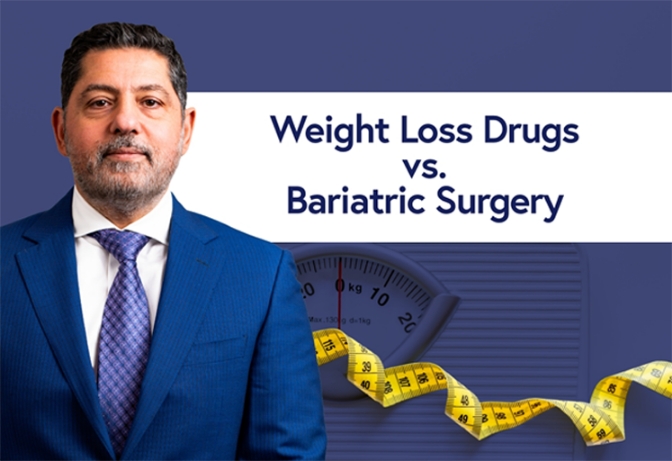
If you’re trying to lose weight and finding it difficult, you may have considered taking medications or undergoing bariatric surgery. Both of these... read more

Are you frustrated with your inability to lose weight? Tired of being trapped in an endless cycle of yo-yo dieting, over-exercising, cleanses, and... read more